Picture this: You’re settling into your seat, the cabin lights dim, and the flight attendants begin their meal service. You eagerly unwrap your foil-covered entree, hoping for a culinary delight at 35,000 feet. But have you ever noticed, or even considered, what the people in the very front of the plane are eating?
It’s a question that might spark a flicker of curiosity, a little ‘hmm, I wonder’ moment. After all, they’re the ones responsible for getting you safely to your destination. Surely, their meal must be as important as yours, right?
Well, you’re absolutely right. But the story of in-flight meals for pilots and co-pilots isn’t just about taste or variety; it’s about safety, protocol, and a surprising bit of common sense.
Let’s rewind to a time when air travel was a much grander affair, and the mystique surrounding pilots was even more pronounced. Back then, the idea of a pilot and co-pilot sharing the exact same meal from the same batch felt… well, a little risky.
Think about it: If a particular dish served on a flight happened to be contaminated, or if it disagreed with someone’s stomach, the consequences could be dire for the flight crew. Imagine both pilots suddenly feeling unwell mid-flight. Not a scenario anyone wants to contemplate, and certainly not one airline catering departments wanted to risk.
This led to a simple, yet crucial, rule that’s been in place for decades: pilots and co-pilots should not eat the same meal. This isn’t a newfangled fad; it’s a long-standing safety precaution designed to mitigate the risk of foodborne illness affecting the entire flight deck.
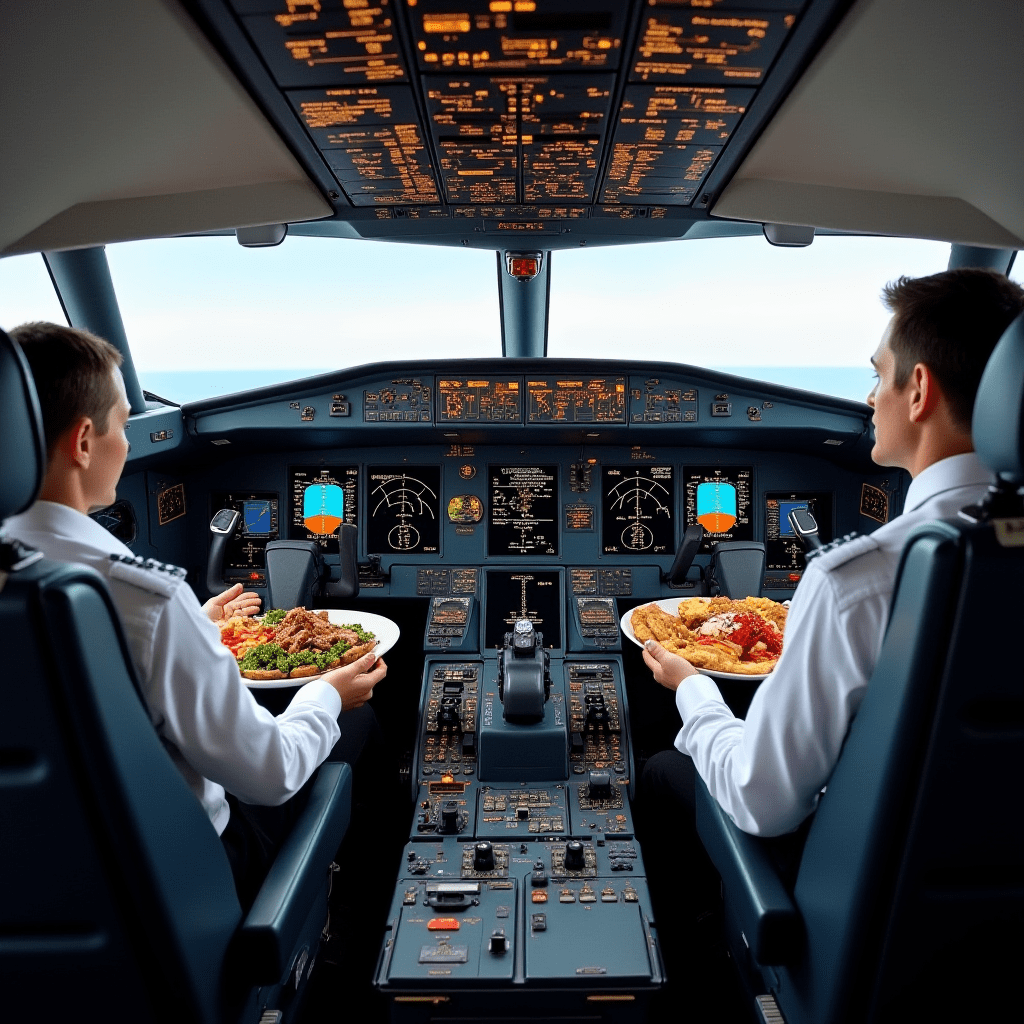
So, how does it work in practice? When the meal carts roll down the aisle, the flight attendant will typically offer the pilots a choice, but with a catch. The pilot in command and the co-pilot, or First Officer, will be presented with different options. If there are, say, two main courses available – chicken or beef – and the captain chooses the chicken, the co-pilot will be strongly encouraged, if not outright instructed, to choose the beef. Or vice versa.
It’s a system designed to create a buffer. If the chicken dish is somehow problematic, only one of the pilots will have consumed it. This way, if the captain experiences any adverse effects, the co-pilot is still in prime condition to take over or assist. It’s a layered safety net, ensuring that at least one of the individuals responsible for flying the plane remains unaffected.
This practice isn’t just for long-haul international flights either. It’s a standard operating procedure across most airlines, for most flights. The logic is sound, and the implementation is straightforward, making it a quiet hero of aviation safety.
Beyond the safety aspect, there’s also the consideration of pilot fatigue and overall well-being. While the primary driver for separate meals is illness prevention, airlines also recognize that pilots spend long hours in the cockpit. Providing them with palatable and varied food options contributes to their comfort and alertness during extended duty periods.
Of course, with modern catering and stringent food safety standards, the risk of widespread food contamination is significantly lower than it once was. However, the principle of separation remains. It’s a testament to the aviation industry’s commitment to vigilance and its ‘better safe than sorry’ approach to every aspect of flight operations.
It’s also interesting to consider how this might play out in the real world. Imagine the flight attendant delivering two identical-looking trays, only for the pilots to subtly exchange a knowing glance. A special kind of camaraderie, perhaps, born from a shared secret menu and a mutual understanding of the responsibility they hold.
This isn’t about pampered passengers or preferential treatment for the crew. It’s about a critical safety protocol that ensures the continuity of flight operations. It’s a small detail that speaks volumes about the meticulous planning and risk management that goes into every single flight you take.
So, the next time you’re enjoying your in-flight meal, spare a thought for the pilots up front. They’re not just flying the plane; they’re also navigating a carefully curated culinary landscape, all in the name of keeping you, and themselves, safe and sound. It’s a small detail, but in the world of aviation, small details often have the biggest impact.
It makes you wonder what other little-known protocols are in place, doesn’t it? The skies hold many secrets, and the humble in-flight meal is just one of them. A reminder that even the most routine aspects of air travel are underpinned by layers of thoughtful consideration and unwavering dedication to safety.
Next time you’re on a flight, if you happen to catch a glimpse of the pilot’s meal, you’ll know there’s a story behind it. And it’s a story that every passenger can appreciate, because it’s ultimately about their journey, too.