Close your eyes. Take a deep breath. Imagine drifting off into a deep, restful sleep. Now, imagine that sleep lasting not for a few hours, or even a few days, but for *three whole years*. Doesn’t sound like a dream, does it? Yet, for a tiny, often overlooked creature, it’s an astonishing reality.
That’s right. We’re talking about snails. Those slow-moving, shell-wearing garden dwellers we might mistake for being, well, a bit lazy. But their apparent sluggishness hides a superpower of epic proportions: the ability to hibernate for an unbelievably long time.
Think about it. Three years. That’s longer than most college degrees. It’s longer than many people stay in their first job. It’s enough time for trends to come and go, for seasons to cycle through their entire grand performance, and for entire generations of smaller creatures to live and die.
So, how do they do it? What’s the secret to this incredible feat of sustained slumber? It all comes down to survival. Snails, like many other creatures, have evolved incredible adaptations to deal with harsh environmental conditions. When the going gets tough, these little mollusks know exactly how to disengage from the world and wait it out.
The primary reason for this prolonged nap is to escape unfavorable weather. We’re talking about extreme heat, prolonged drought, or freezing cold. These are conditions that would spell disaster for a soft-bodied creature like a snail. Without the ability to flee or find shelter easily, their best bet is to simply… stop.
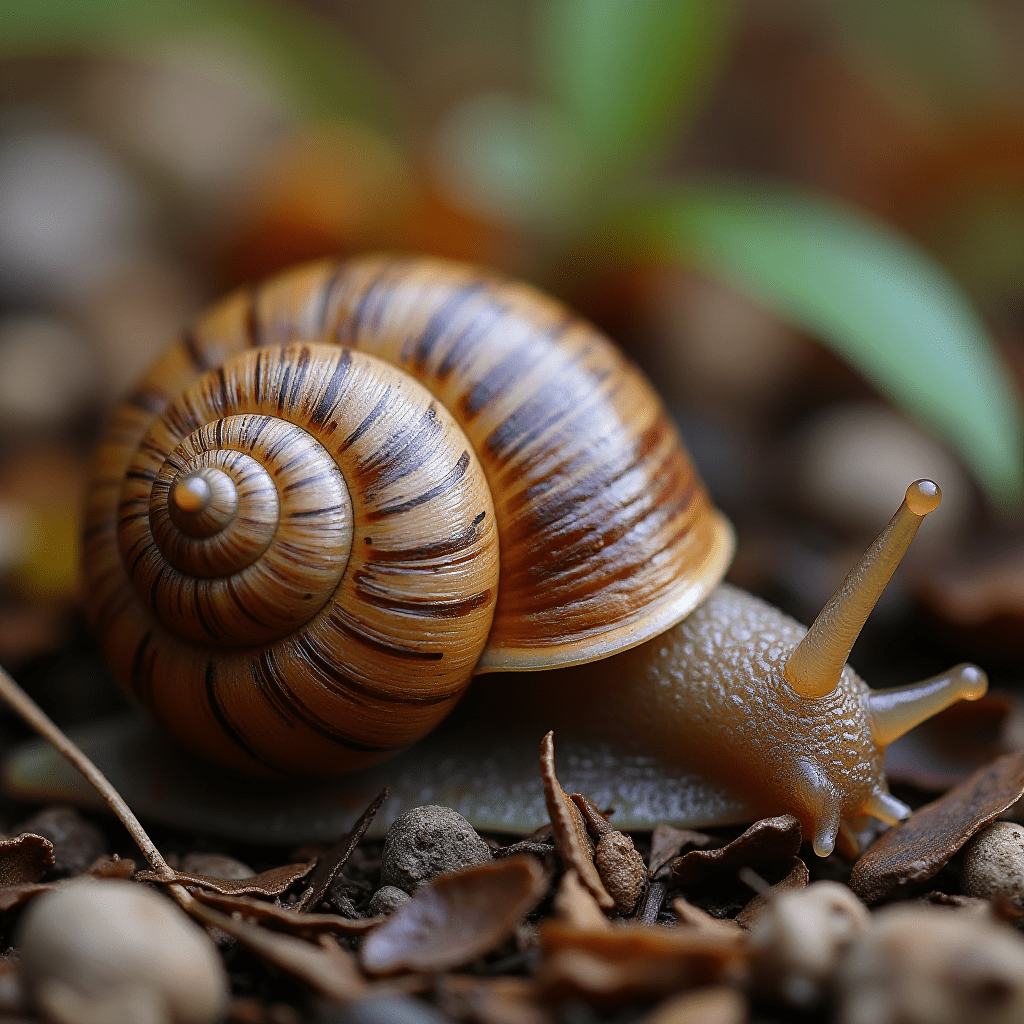
When a snail decides it’s time for a super-slumber, it doesn’t just find a comfy leaf and close its eyes. Oh no. It’s a far more sophisticated process. First, the snail retreats deep inside its shell.
Then, it seals the entrance of its shell with a layer of mucus. This isn’t just a flimsy barrier; it hardens into a protective seal, often called an epiphragm. This seal is crucial for several reasons. It helps to prevent dehydration, keeping the snail’s delicate body from drying out in arid conditions.
It also acts as a shield against predators and the elements. Imagine a tiny, self-contained, armored sleeping pod. That’s essentially what the snail creates.
Once sealed, the snail’s metabolism slows down to an almost imperceptible crawl. Its heart rate plummets, its breathing becomes shallow, and its overall energy expenditure drops dramatically. It’s like hitting the ultimate pause button on life.
During this period of aestivation (which is what this long-term dormancy is called, especially in hot or dry conditions), the snail can survive on minimal reserves. It’s essentially living off its own stored energy, waiting for nature to provide a more hospitable environment.
And when does it wake up? Usually, it’s triggered by environmental cues. A significant rainfall after a long drought, a drop in temperature indicating the end of a heatwave, or the first signs of spring after a harsh winter.
The return to consciousness is gradual. The hardened epiphragm is softened by moisture, and the snail slowly reawakens its systems, ready to face the world once more.
It’s mind-boggling to consider. While we humans toss and turn, struggling with sleep cycles, a snail can effortlessly enter a state of suspended animation for years. It’s a testament to the incredible ingenuity of nature and the diverse strategies life employs to persist.
Think about the common garden snail, *Helix aspersa*, or the larger Roman snail, *Helix pomatia*. These are the champions of long-term napping. They aren’t just sleeping; they’re entering a state of torpor, a survival mechanism honed over millennia.
This phenomenon has fascinated scientists and naturalists for centuries. It highlights how different organisms have evolved unique solutions to the challenges of survival. While we might marvel at the speed of a cheetah or the strength of an elephant, the quiet resilience of a sleeping snail is equally awe-inspiring.
What does this tell us about sleep? It challenges our human-centric view of rest. Sleep isn’t just about recovery from daily activity; it can be a vital tool for enduring prolonged adversity. It’s a radical form of self-preservation.
So, the next time you see a snail, perhaps you’ll look at it with a little more respect. It might not be moving fast, but it possesses a remarkable ability to endure, to wait, and to survive. It’s a tiny marvel of the natural world, demonstrating that sometimes, the greatest strength lies in knowing when to simply rest and let time pass.
It makes you wonder, doesn’t it? What else can we learn from these slow-moving, deep-sleeping creatures? The secrets of the snail’s slumber are a gentle reminder that the world is full of wonders, if only we take the time to observe.