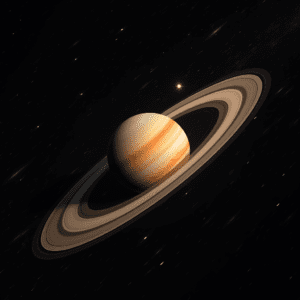
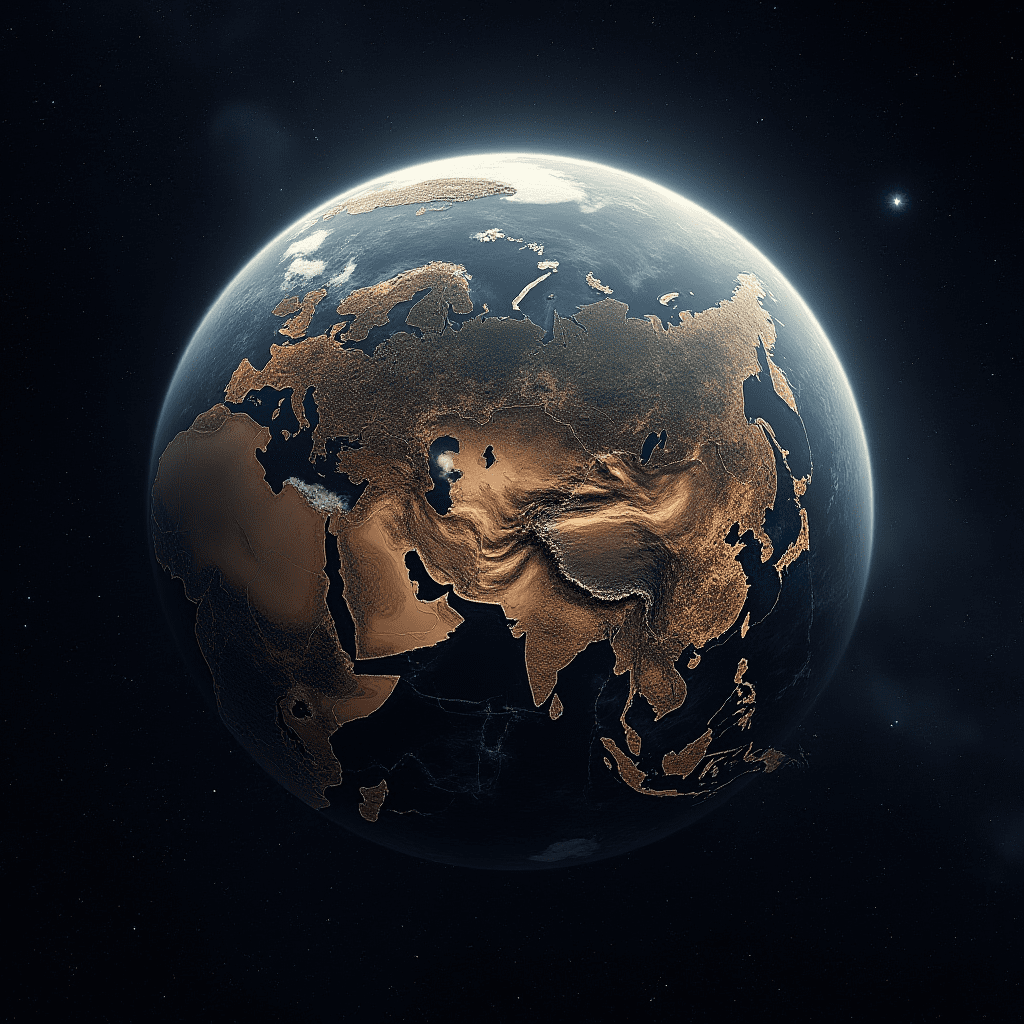
Imagine this: you’re staring up at the night sky, marveling at the distant twinkle of stars. You think about planets, maybe Mars with its rusty hue, or the gas giants like Jupiter. And then there’s Pluto, a tiny speck, a dwarf planet, a cosmic curiosity that captured our imaginations for decades. It’s small, right? Well, buckle up, because we’re about to introduce you to a heavyweight contender you might not have expected, right here on Earth.
This isn’t about a new astronomical discovery, though it might feel like one. This is about perspective. It’s about the sheer, mind-boggling scale of our own planet and how it stacks up against the celestial bodies we often think of as grand.
Let’s talk about Russia. Most of us know it as a vast, sprawling nation. We picture endless plains, towering mountains, and frozen Siberian landscapes. It’s a place of epic journeys, rich history, and a truly impressive geographical footprint. But just how impressive?
Now, let’s shift our gaze to the cosmos. For years, Pluto was the undisputed king of the outer solar system’s small fry. Discovered in 1930, it held the title of the ninth planet for over 70 years. It was the icy, distant frontier, a place of mystery and wonder. Even after being reclassified as a dwarf planet in 2006, it remained a symbol of the vastness and strangeness of space.
So, you have this immense country, Russia, stretching across two continents, and this famously small, distant dwarf planet, Pluto. It feels like a no-contest, right? Earthbound matters are one thing, and cosmic ones are entirely another. But what if I told you that the landmass of Russia alone is significantly larger than the entire surface area of Pluto?
Let that sink in for a moment. Russia. Bigger. Than. Pluto. It’s a statement that sounds almost absurd, like comparing a pebble to a mountain. But the numbers, the cold hard facts of geography and astronomy, don’t lie.
Think about the sheer scale of Russia. It covers a colossal 17.1 million square kilometers. That’s a number so big it’s hard to truly grasp. It’s the largest country in the world by a very significant margin. It spans eleven time zones, a testament to its immense east-to-west reach.
Now, let’s look at our celestial friend, Pluto. This dwarf planet, with its heart-shaped glacier and icy plains, has a surface area of approximately 16.7 million square kilometers. Yes, you read that right. 16.7 million square kilometers.
So, when you put them side-by-side, Russia’s surface area clocks in at around 17.1 million square kilometers, while Pluto’s is about 16.7 million square kilometers. That means Russia is roughly 400,000 square kilometers larger than Pluto.
Consider what that actually means. That’s an area larger than many individual countries on Earth. It’s a difference that, while perhaps not earth-shattering in the grand scheme of the universe, is certainly landscape-altering when you compare a nation to a dwarf planet.
It’s a fascinating twist of perspective. We often think of space as being unimaginably vast, and it is. But it also contains celestial bodies that are surprisingly small, especially when measured against the terrestrial giants we inhabit.
This comparison really highlights the incredible scale of our own planet. When we talk about countries like Russia covering vast swathes of land, we’re not just talking about political boundaries; we’re talking about colossal geographical entities. The sheer amount of rock and soil that makes up Russia is enough to dwarf a world that once held the title of planet in our solar system.
It makes you wonder what other comparisons might surprise us. Are there other planets or moons that are smaller than we imagine? Or are there landmasses on Earth that are so immense they could rival celestial bodies?
The world of geography is full of these incredible stats. From the deepest oceans to the highest mountains, Earth is a place of extremes. And when we start comparing these terrestrial wonders to the distant bodies in our solar system, the lines between the familiar and the alien can start to blur.
Think about the logistics of governing such a massive country. The challenges of infrastructure, transportation, and simply connecting people across such a vast expanse are immense. It’s a testament to human ingenuity and perseverance that Russia functions as a single nation.
And then you have Pluto. A world so far away, so cold, and so small by comparison. Yet, it holds a special place in our hearts, a symbol of exploration and the ongoing quest to understand our place in the universe. Its surface, though smaller than Russia’s, is a landscape of ice volcanoes, nitrogen glaciers, and vast plains, a testament to the diverse geological processes that shape even the smallest of worlds.
This comparison isn’t just about numbers; it’s about a shift in perspective. It’s about realizing that the familiar can be just as awe-inspiring as the distant. It’s about appreciating the sheer scale of our own planet and the incredible diversity of landscapes it holds, from the steppes of Siberia to the icy plains of a dwarf planet millions of miles away.
So, the next time you think about the vastness of space, don’t forget the vastness of Earth. And remember that sometimes, the biggest worlds aren’t found amongst the stars, but right here, beneath our feet. Russia, the land giant, has officially outsized a dwarf planet. Who would have guessed?
What other surprising geographical facts blow your mind? Let us know in the comments below! We love hearing your thoughts and sharing these amazing discoveries.