
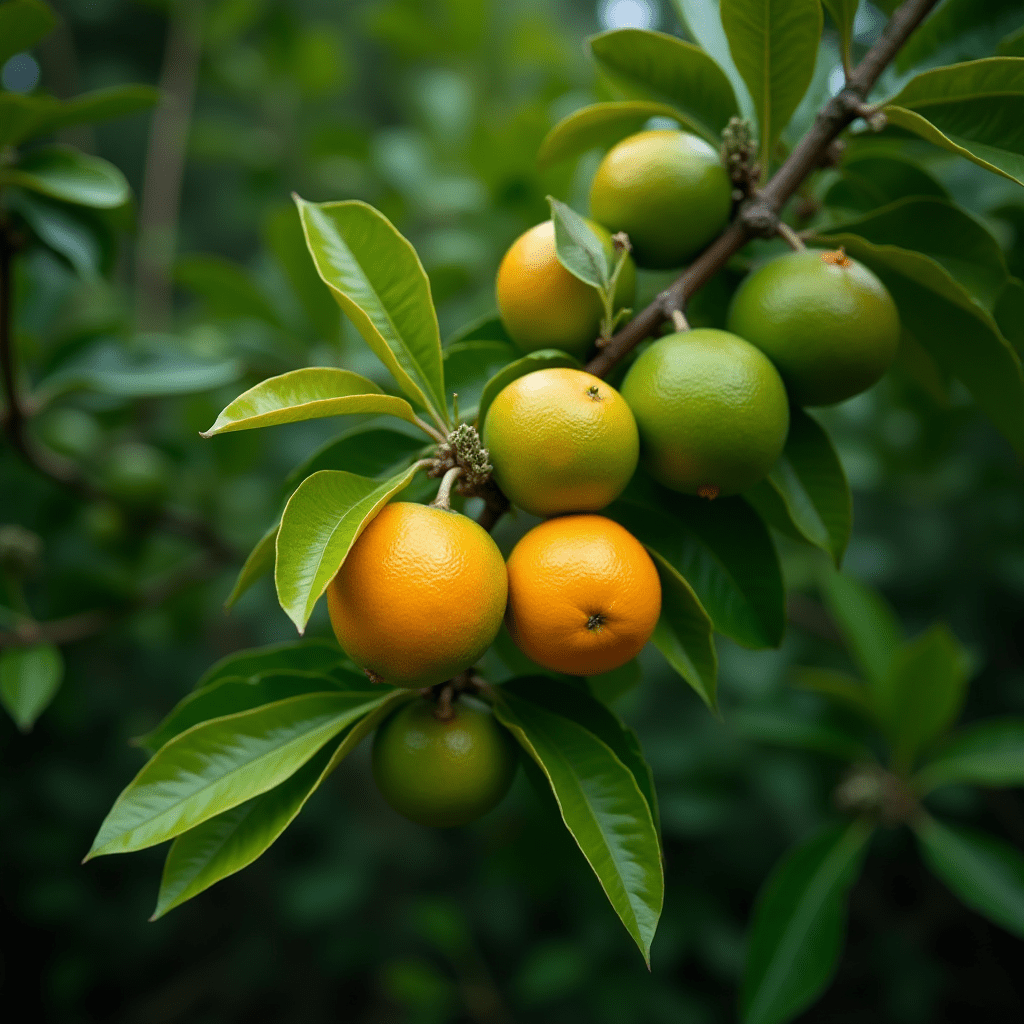
Picture this: you’re walking through a bustling marketplace, centuries ago. You reach for a fruit that looks vaguely familiar, but something is off. It’s not the juicy, sun-kissed orb you’d expect. Instead, it’s… green. Or maybe even a pale yellow. And it probably doesn’t taste quite like the sweet, tangy delight you know today.
Yep, you read that right. The very first oranges weren’t the vibrant, unmistakable orange we’ve come to associate with sunshine and Vitamin C. This is a story about transformation, about history hidden in plain sight, all within the humble citrus.
Our journey begins in Southeast Asia, in the foothills of the Himalayas. This is where the wild ancestor of the modern orange first emerged. And this ancient fruit, known as the bitter orange, was a far cry from the sweet varieties we enjoy today. Its flesh was often tart, sometimes even a little sour, and its peel was thick and aromatic, but not exactly bursting with that signature orange hue.
For thousands of years, these early citrus fruits, including the ancestors of what would become oranges, were primarily cultivated for their fragrant leaves and their medicinal properties. Imagine the ancient world, where a fruit’s color was secondary to its utility. Think of tangerines, mandarins, and pomelos – they were all part of this ancient citrus family, each with their own unique characteristics.
The journey of the orange from its wild origins to the global phenomenon it is today is a long and winding one. It traveled along ancient trade routes, carried by merchants and explorers. From Asia, it made its way to India, then to the Middle East, and eventually to the Mediterranean world. It was a slow migration, a fruit slowly finding its place in new soils and new cultures.
And as it traveled, it changed. Or rather, it was changed. Cultivation played a massive role. Humans are, after all, pretty good at selecting the best of the bunch. Over generations, farmers noticed certain trees produced sweeter fruits, fruits with thinner skins, and yes, fruits that developed that beautiful orange color when ripe. This wasn’t an overnight phenomenon; it was a gradual process, a natural selection guided by human hands.
The key to the orange color, that iconic pigment we call carotenoids, wasn’t always dominant. In the wild, many citrus fruits, including the early oranges, would stay green even when ripe. Why? Because they grew in lush, tropical environments where green was a great camouflage. This allowed them to ripen under the protection of their leaves, hidden from hungry eyes.
Think about it like this: if you’ve ever picked a lime, you know it’s a citrus fruit. And limes stay green! Or consider lemons, which can sometimes have a greenish tinge even when ripe. The green chlorophyll in the peel masked the developing carotenoids. It was only when the fruit was exposed to cooler temperatures, often associated with the changing seasons or being harvested and transported, that the chlorophyll would break down, revealing the brilliant orange underneath.
So, the oranges that these early travelers encountered might have looked more like lemons or limes. Imagine the confusion! You’re expecting a sweet treat, and you get something that’s green and a bit sour. It’s a testament to human ingenuity and patience that we ended up with the sweet, juicy oranges we love today.
The sweet orange, the one we recognize today, is believed to have originated as a hybrid. Scientists think it’s likely a cross between the bitter orange and the mandarin. This cross-breeding, whether accidental or deliberate, unlocked a new level of sweetness and a more appealing appearance.
The development of the truly orange orange wasn’t just a cosmetic change; it was tied to the fruit’s flavor profile. As the carotenoids became more prominent, the sugars also increased, and the acidity decreased. This transformation made the fruit far more palatable and desirable as a food source.
It’s fascinating to consider how much has changed. The word ‘orange’ itself as a color name actually came *after* the fruit became widely known. Before that, people might have described the color using terms like ‘yellow-red’ or ‘saffron-colored.’ The fruit gave the color its name, not the other way around!
This history highlights the incredible journey of a single fruit. From a wild, bitter ancestor in Asia to the ubiquitous sweet orange gracing breakfast tables worldwide, it’s a story of adaptation, cultivation, and a bit of luck. The next time you peel an orange, take a moment to appreciate its incredible transformation. It’s a little piece of history in your hands, a testament to nature’s adaptability and human influence.
So, the next time you bite into a perfectly ripe orange, remember its green beginnings. It’s a sweet reminder that even the most familiar things can have surprisingly colorful pasts. And isn’t that just the most wonderful kind of ForRealPost?
What other everyday items do you think have a surprising history? Share your thoughts in the comments below! We love hearing your insights and discovering more fascinating facts together. Let’s keep the conversation going!